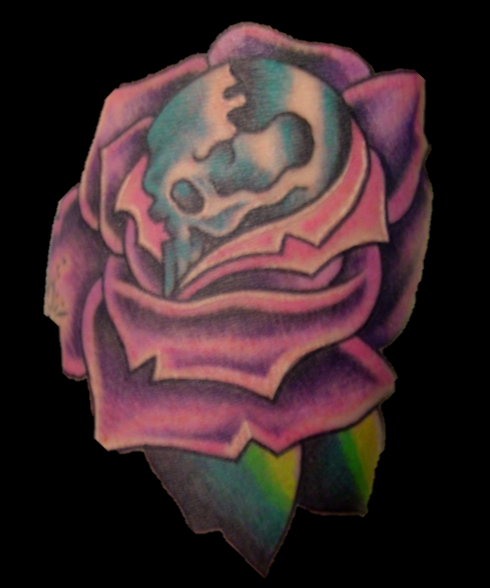
By far one of the absolute most difficult challenges I’ve had to overcome in my life is optimism. I have always been a little bit of an incurable idealist. And for as long as I can remember it has caused all manner of mental and emotional difficulty. I have this favorite quote that one of my very best friends shared with me when we were teens:
“The key is to get to know people and trust them to be who they are. Instead, we trust people to be who we want them to be – and when they’re not, we cry.” (I don’t know the source)
Psychologists have, for years, talked at length about the detriments of the disparity between our expectations and reality. It is perhaps one of the most common sources of unhappiness, discontent, even depression. It’s also the quintessential social media trap, and the root of so much difficulty in a plethora of ways.
Being an idealist and an optimist in today’s world is arguably one of the surest ways to find yourself in that unfortunate disparity between expectations and reality. The deeply ingrained desire for people to be (and behave) inherently good, for the world to be a kind and wonderful place, for tolerance and diversity to be celebrated, for the Earth to be cared for in the manner she deserves… it’s often more of a burden than a benefit. The overly idealistic mindset makes it terribly difficult to process and accept human behavior such that it is in the real world.
So how does a person who, however spectacularly imperfect they are personally, reconcile the Utopian world in her head with the reality around her? Well, I’ve been told “the key is to expect people to be who they are.” But there’s more to it than that. Just seeing people for who they are isn’t enough, because you run the risk of placing people into two categories: People who are someone you like, and people who are someone you don’t like. Then, confirmation bias being what it is, the latter is inevitably going to be the bigger box. But living in a world where you don’t like most of the people in it is no way to live. We need to get rid of the boxes.
Nothing brought that disparity to the surface more than being in the military. I enlisted in the Army with this fantastical notion of pride and patriotism. I did it to honor my family and heritage, to get my life back on track by being surrounded by, and thereby becoming one of, our country’s bravest, most principled, most honorable people. I wanted to be part of the scant one percent of Americans willing to put themselves, even at the cost of their own lives, at risk for the greater good. I chose aviation because it was elite. We were “high above the best.” I was brimming with fantasies of comradery, integrity, and loyalty.
Imagine my surprise when I found myself surrounded by completely regular people. There was ignorance, racism, anti-Semitism. The military isn’t filled with only the best our society has to offer. There are criminals, drug-users, spousal abusers, misogynists. Essentially, they’re just regular, imperfect people who are all dressed alike. It’s so horrifyingly… human! But then in the midst of all the disappointment something spectacular happened. You become family. And of course, just like your biological family there are some people you love and some you hate and there’s drama and conflict and comedy and tragedy. But for better or for worse, they’re your family now. And suddenly everything I thought I knew about what makes a person good or bad goes out the window.
Perhaps it’s more about acknowledging and then accepting people for who they are. There is no one alive who can stand up to the scrutiny of the expectation of perfection. We are all flawed. We are all human. But there’s another side to that coin. There are also very few people who, given enough scrutiny, don’t have a single likeable quality. So maybe the key is actually to trust people to be imperfect. To appreciate them for their flaws as much as their attributes. To appreciate a world in which an imperfect person can thrive, can still have value, and maybe even be given the opportunity to strive to be a better person. Forgive people for being imperfect. And even more importantly, forgive yourself.
 Letters to Eleanor